The OTC CGM Revolution: How the FDA's Latest Clearances are Bringing Continuous Glucose Monitoring to the Wellness Mass Market
Following landmark FDA clearances, over-the-counter continuous glucose monitors are transitioning from clinical medical devices to mainstream consumer wellness tools, democratizing metabolic health tracking.
Martin Garcia
For years, Continuous Glucose Monitors (CGMs) were highly guarded medical devices. Prescribed almost exclusively to individuals managing Type 1 or insulin-dependent Type 2 diabetes, these small, wearable sensors represented a critical lifeline rather than a lifestyle accessory. However, a major regulatory shift has quietly initiated a wellness revolution. With the U.S. Food and Drug Administration (FDA) granting clearances for the first over-the-counter (OTC) CGMs, these devices are stepping out of the clinic and onto the arms of health-conscious consumers. This transition marks a pivotal moment in personal health technology, transforming metabolic tracking from a reactionary medical intervention into a proactive wellness practice.
The Regulatory Breakthrough
The landscape shifted dramatically in early 2024 when the FDA cleared Dexcom's Stelo Glucose Biosensor System as the first-ever OTC continuous glucose monitor. Designed specifically for adults who do not use insulin—such as those with Type 2 diabetes treating their condition with oral medications, or individuals interested in understanding how diet and exercise impact their blood sugar—Stelo bypassed the traditional prescription requirement. Not long after, Abbott secured clearances for its own OTC systems, Lingo and Libre Rio. These approvals shattered the regulatory barrier that had long kept CGM technology behind pharmacy counters, paving the way for direct-to-consumer sales and retail availability.
Re-Engineering for the Mass Market
While the underlying sensor technology remains highly accurate, OTC CGMs are structurally and functionally distinct from their prescription predecessors. Medical-grade CGMs are highly integrated clinical systems designed to trigger urgent alarms during life-threatening hypoglycemic (low blood sugar) or hyperglycemic (high blood sugar) events. In contrast, wellness-focused OTC devices are calibrated for general trend analysis. They omit critical-alert systems, focusing instead on long-term data trends, glycemic variability, and user-friendly software interfaces. By streamlining the user experience and stripping away complex clinical alarms, manufacturers have made these devices more accessible and less intimidating for the general public.
Furthermore, the integration with smartphones has been radically simplified. Users do not need separate reader hardware; standard Bluetooth connections broadcast the data directly to sleek iOS and Android companion applications. These apps translate complex milligram-per-deciliter (mg/dL) readings into intuitive health scores, daily summaries, and color-coded graphs, removing the clinical friction that typically defines medical hardware.
The Rising Demand for Metabolic Awareness
Why is there such intense consumer interest in tracking glucose? The answer lies in the growing awareness of metabolic health. Glucose spikes and subsequent crashes are directly tied to everyday energy levels, mood fluctuations, cognitive clarity, and sleep quality. Over the long term, poor glycemic control is a primary driver of insulin resistance, weight gain, cardiovascular issues, and Type 2 diabetes. By providing real-time visibility into how specific foods, stress levels, and exercise routines affect blood sugar, OTC CGMs demystify metabolic health. Consumers no longer have to guess how a particular meal impacts their body; the data is rendered instantly on their smartphone screens.
Personalizing Nutrition Through Real-Time Feedback
One of the most profound impacts of mass-market CGMs is the personalization of nutrition. For decades, dietary guidelines have relied on generalized recommendations. However, nutritional science increasingly demonstrates that individual glycemic responses to identical foods vary wildly. A sweet potato might cause a massive glucose spike in one person while producing a stable, slow-release energy curve in another. OTC CGMs allow users to run personal biological experiments. By observing these direct cause-and-effect relationships, consumers can make highly personalized adjustments to their diets—such as pairing carbohydrates with healthy fats or taking a short walk after meals—to successfully flatten their glucose curves and sustain their energy throughout the day.
The broader availability of OTC CGMs represents a fundamental shift from treatment to prevention. Healthcare systems globally are heavily burdened by chronic lifestyle-related diseases. By putting glucose data directly into the hands of pre-diabetic individuals or those with a family history of metabolic disorders, OTC CGMs serve as an early warning system. They empower users to make sustainable lifestyle modifications years before a clinical diagnosis would otherwise occur. This proactive approach has the potential to bend the curve on the global diabetes epidemic, transforming how society views preventive medicine and self-care.
Navigating the Challenges and Clinical Skepticism
Despite the enthusiasm, the rise of wellness CGMs has met with some skepticism from the clinical community. Many endocrinologists and primary care physicians express concern that healthy individuals might over-interpret minor, normal glucose fluctuations, leading to unnecessary anxiety or disordered eating habits. There is also a fear of information overload; without a clinician to interpret the data, users might draw incorrect conclusions or adopt overly restrictive diets. Manufacturers are addressing these concerns by designing companion apps that focus on educational context rather than raw, alarming numbers, gently guiding users to understand that occasional glucose rises are a normal part of human physiology.
Market Demographics and Economic Accessibility
As these devices transition to the wellness mass market, cost and accessibility remain central themes. Prescription CGMs can be prohibitively expensive without comprehensive insurance coverage. While OTC CGMs are generally priced lower than prescription models and do not require co-pays or doctor visits, they still represent a premium wellness expense. However, as production scales and competition intensifies between industry giants like Dexcom and Abbott—as well as software startups integrating these sensors into broader wellness programs—prices are expected to decline. This market expansion is projected to drive rapid adoption, turning CGMs into standard wear for fitness enthusiasts and biohackers alike.
Currently, subscription-based programs and startup integrations are packaging these OTC sensors alongside digital coaching, meal photo logging, and community challenges. This ecosystems-based approach broadens the appeal from tech-savvy early adopters to a wider audience seeking sustainable, everyday lifestyle guidance. By offering flexible purchasing models—such as a single sensor for a two-week metabolic 'reset' rather than a continuous lifetime commitment—manufacturers are successfully lowering the psychological and financial barrier to entry.
The Next Frontier of Wearable Technology
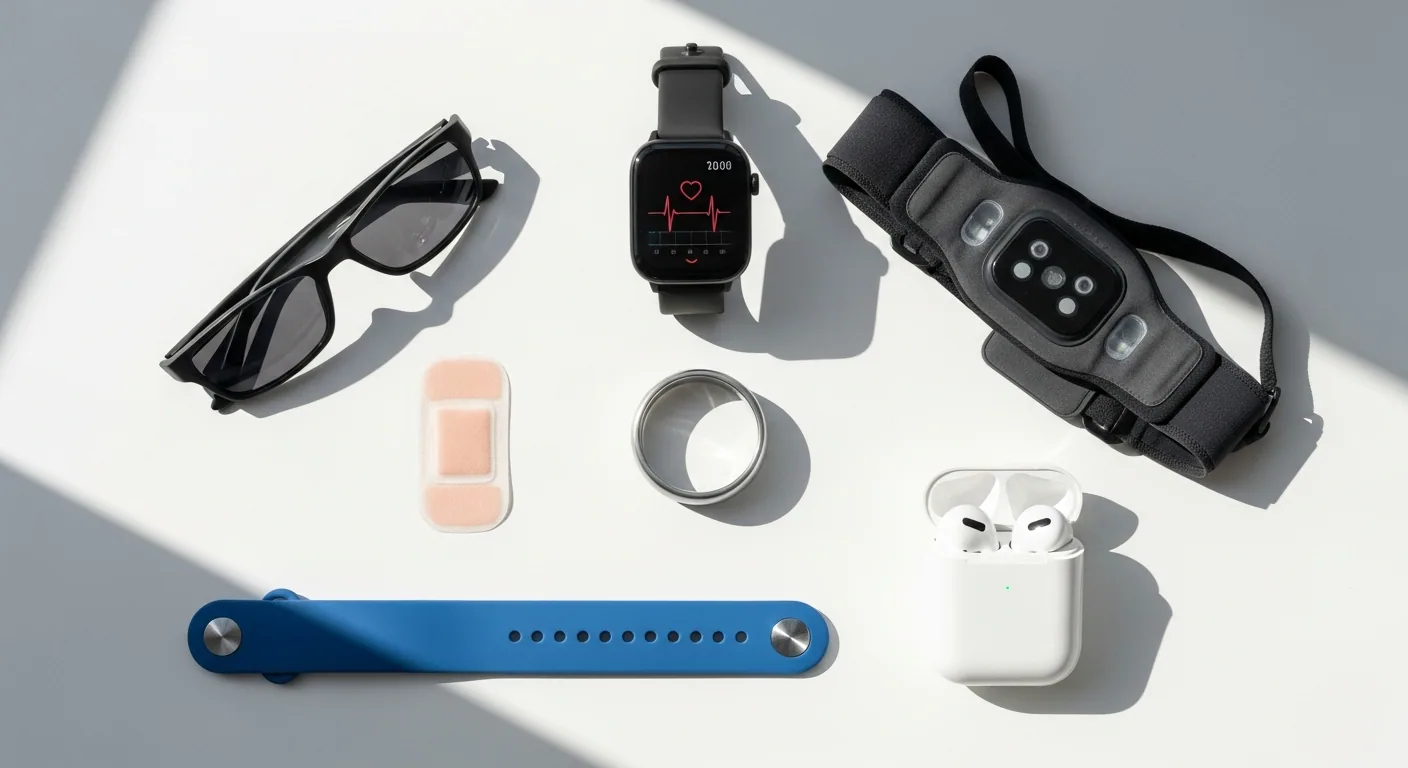
The OTC CGM revolution is likely only the first chapter in a much larger story of continuous bio-sensing. Now that the regulatory pathway has been forged, the consumer technology industry is looking toward multi-sensor wearables. Future devices are expected to track not just glucose, but other key biomarkers such as lactate, ketones, hydration levels, and cortisol. This integration will provide a comprehensive, real-time dashboard of human physiology, closing the gap between consumer fitness trackers and advanced clinical diagnostics.
A New Era of Personal Autonomy
The FDA's landmark clearances for over-the-counter continuous glucose monitors mark the beginning of an era characterized by unprecedented health autonomy. By translating complex internal biological signals into clear, actionable insights, OTC CGMs are democratizing metabolic data. As these devices integrate into the mainstream wellness market, they promise to shift the focus from reactive medical care to proactive health optimization, forever changing how we eat, move, and understand our own bodies.